
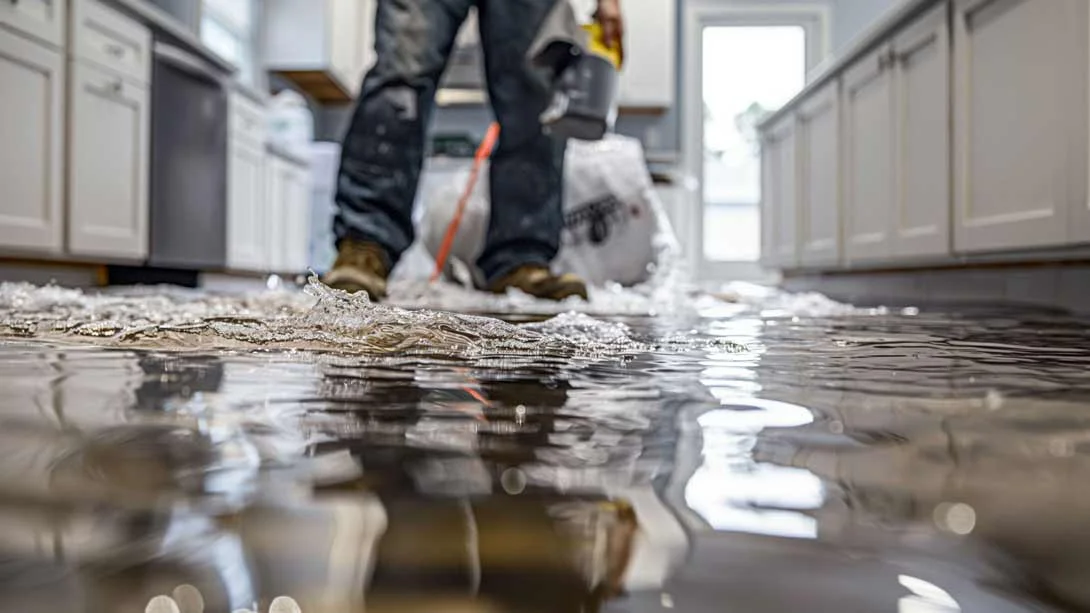
To fix water damage in a basement, you need to stop the water source first, remove standing water, dry the area completely, and then repair or replace damaged materials. The full process typically takes 3 to 7 days depending on severity. This guide covers every step, from initial cleanup to preventing future flooding, with specific tips for homeowners in Nashville, Smyrna, Murfreesboro, and the surrounding Middle Tennessee area.
Identify the Source of the Water Before Anything Else
Before you touch a mop or call a contractor, figure out where the water came from. Treating the damage without fixing the source is a waste of time and money. The problem will return within weeks or even days.
The most common water sources in Middle Tennessee basements include heavy rain intrusion, burst pipes, sump pump failure, and foundation cracks. Nashville and surrounding cities like LaVergne and Antioch see significant rainfall, especially in spring. That moisture puts constant pressure on basement walls and floors.
- Groundwater seepage: Water pushes through porous concrete or cracks during heavy rain.
- Plumbing leaks: A burst pipe or leaking water heater can dump gallons fast.
- Window well overflow: Poorly sealed basement windows let in rain and runoff.
- Sump pump failure: Common after power outages during storms in Murfreesboro and Lebanon.
- HVAC condensation: Older systems without proper drainage can drip over time.
Once you know the source, shut it off. Turn off the water main if it is a plumbing issue. If it is groundwater, you will need to address drainage after the space is dried out.
Remove Standing Water and Wet Materials Quickly
Speed matters. Mold can begin growing within 24 to 48 hours of water exposure. The faster you extract water and remove soaked materials, the lower your repair costs and health risks.
For small amounts of water, a wet-dry shop vacuum works fine. For anything over an inch deep, you need a submersible pump or a truck-mounted extraction unit. If the flooding is significant, this is the point where calling CAMCO Construction & Restoration makes the most sense.
- Turn off electricity to the basement at the breaker panel before entering standing water.
- Use a submersible pump to remove bulk water. Pump it away from your foundation.
- Follow up with a wet-dry vac to pull up remaining water from carpet or floor cracks.
- Remove soaked carpet, padding, and drywall. These materials cannot be dried in place effectively.
- Pull baseboards and check behind them for hidden moisture against the wall framing.
- Bag all wet debris and remove it from the space immediately to reduce mold risk.
Drywall that has been wet for more than 24 hours almost always needs to be replaced. Do not try to dry it in place. It will hold moisture inside the wall cavity and become a mold breeding ground.
Dry the Basement Thoroughly Using the Right Equipment
Removing visible water is only part of the job. Moisture hides in concrete, wood framing, insulation, and subfloors. You need to dry the entire environment, not just the surface.
Professional-grade air movers and dehumidifiers are significantly more powerful than anything you rent at a hardware store. A typical residential basement in Smyrna or Brentwood may need 3 to 6 industrial air movers and one or two large-capacity dehumidifiers running for 3 to 5 days.
| Equipment | Purpose | Typical Runtime |
|---|---|---|
| Submersible pump | Remove bulk standing water | 1 to 4 hours |
| Wet-dry vacuum | Extract remaining surface water | 2 to 6 hours |
| Industrial air mover | Accelerate evaporation from surfaces | 3 to 5 days continuous |
| Commercial dehumidifier | Pull moisture from the air | 3 to 7 days continuous |
| Moisture meter | Confirm dryness in walls and floors | Used daily to monitor |
Target a moisture content below 16 percent in wood materials and below 4 percent in concrete before beginning any repairs. Use a pin-type or pinless moisture meter to check readings daily. Do not start rebuilding until the numbers confirm the space is dry.
Clean and Treat Surfaces to Prevent Mold Growth
After drying, every affected surface needs to be cleaned and treated. Water brings contaminants, bacteria, and the conditions mold needs to thrive. Skipping this step leads to health problems and odor issues down the road.
In Middle Tennessee, basements are especially vulnerable because the region has warm, humid summers. Homes in Franklin, Mt. Juliet, and Antioch that experience basement flooding can develop mold colonies quickly if surfaces are not properly treated.
- Scrub hard surfaces like concrete floors and block walls with a stiff brush and a diluted bleach solution (1 cup bleach per gallon of water).
- Apply an EPA-registered antimicrobial spray to all dried wood framing, joists, and subfloor materials.
- Treat exposed concrete with a penetrating sealer after cleaning to reduce future moisture absorption.
- Inspect insulation carefully. Fiberglass batts that got wet should be removed and replaced.
- Check HVAC ducts running through the basement. If they collected moisture, have them cleaned before running the system.
If you see visible mold growth larger than 10 square feet, the EPA recommends hiring a certified remediation contractor. CAMCO Construction & Restoration handles mold remediation alongside water damage restoration so you do not have to coordinate multiple companies.
Repair and Rebuild Damaged Basement Areas
Once the space is dry and treated, you can begin structural and cosmetic repairs. The scope depends on how long the water sat and how deeply it penetrated.
Minor repairs like replacing drywall in one section and repainting can cost as little as $500 to $1,500 for a homeowner doing the work themselves. More significant repairs involving framing, flooring, and waterproofing can run $3,000 to $15,000 or more depending on the basement size and damage extent.
| Repair Type | DIY Cost Estimate | Professional Cost Estimate |
|---|---|---|
| Drywall replacement (per sheet) | $15 to $30 | $60 to $120 installed |
| Carpet and padding replacement | $1 to $3 per sq ft materials | $3 to $7 per sq ft installed |
| Foundation crack sealing | $50 to $200 in materials | $400 to $1,200 per crack |
| Interior waterproofing system | Not recommended as DIY | $5,000 to $15,000 |
| Sump pump replacement | $150 to $400 in materials | $500 to $1,200 installed |
Use moisture-resistant drywall (often called green board or purple board) when replacing any basement drywall. Standard drywall in a basement is a mistake that many homeowners repeat after a flood.
For flooring, consider luxury vinyl plank (LVP) instead of carpet or hardwood. LVP is waterproof, affordable, and performs much better in below-grade spaces. Many homeowners in Smyrna and Murfreesboro have switched to LVP after a flooding event and never looked back.
Waterproof Your Basement to Prevent the Problem from Returning
Fixing the current damage is only half the battle. If you do not address the underlying cause, you will be back to square one after the next heavy rain. Middle Tennessee averages around 50 inches of rainfall per year, which is above the national average. That means your basement drainage and waterproofing systems matter.
Here are the most effective waterproofing measures to implement after a water damage event:
- Extend downspouts: Make sure gutters drain at least 6 feet away from the foundation. This is one of the cheapest and most effective fixes.
- Grade the soil: The ground around your home should slope away from the foundation at a rate of 6 inches over the first 10 feet.
- Install a sump pump: If you do not have one, this is a worthwhile investment. Add a battery backup unit for power outages during storms.
- Seal foundation cracks: Use hydraulic cement for active leaks and polyurethane or epoxy injection for dormant cracks.
- Interior drainage system: A French drain installed around the perimeter of the basement floor channels water to the sump pump before it causes damage.
- Apply waterproof masonry coating: Products like DRYLOK can be applied to bare concrete block or poured concrete walls to reduce seepage.
Homes in low-lying areas of LaVergne, Antioch, and near the Stones River in Murfreesboro face higher flooding risk. If your home is in one of these areas, a full interior waterproofing system is a serious consideration worth budgeting for.
FAQs on How to Fix Water Damage in a Basement
How long does it take to dry out a flooded basement?
Most basements take 3 to 7 days to fully dry with professional equipment running continuously. The timeline depends on how much water was present, how long it sat, and the materials involved. Concrete takes longer to dry than open air space.
Can I fix basement water damage myself or do I need a professional?
Minor water events with less than an inch of clean water can often be handled DIY if you act within the first few hours. Anything involving sewage backup, significant flooding, or mold should be handled by a licensed restoration contractor. Mistakes in drying and cleanup lead to mold problems and insurance claim issues.
Will homeowners insurance cover basement water damage?
It depends on the cause. Sudden and accidental damage like a burst pipe is typically covered by standard homeowners policies. Groundwater flooding and seepage are usually not covered unless you have separate flood insurance through the NFIP. Document everything and call your insurer before starting cleanup when possible.
How do I know if my basement has hidden mold after water damage?
Common signs include a musty odor, visible dark spots on walls or framing, and unexplained allergy symptoms in household members. A moisture meter can detect elevated moisture levels inside walls where mold grows. A professional mold inspection provides definitive results.
What is the first thing I should do when I discover water in my basement?
Turn off electricity to the basement at the breaker panel before entering if there is standing water. Then identify and stop the water source if possible. Call a water damage restoration company immediately for significant flooding so extraction and drying can begin as fast as possible.
How much does professional basement water damage restoration cost in Middle Tennessee?
Most basement water damage jobs in the Nashville and Murfreesboro area range from $2,000 to $10,000 depending on the size of the space and severity of damage. Smaller jobs involving one room and clean water can come in under $2,000. Extensive flooding with contaminated water or mold remediation needed will push costs higher.
Wrap Up and Next Steps
Fixing water damage in a basement comes down to four things: stop the source, remove the water, dry it completely, and rebuild with better materials. Skipping any step leads to mold, structural damage, and repeat flooding.
If your basement has water damage and you are in Smyrna, Murfreesboro, Nashville, Franklin, Brentwood, Mt. Juliet, Lebanon, Antioch, LaVergne, or anywhere in Middle Tennessee, CAMCO Construction & Restoration is ready to help. We handle water extraction, structural drying, mold remediation, and full reconstruction under one roof.
Call CAMCO Construction & Restoration at (615) 290-2643 to schedule an inspection or get a quote. The sooner you act, the less damage you will be dealing with.