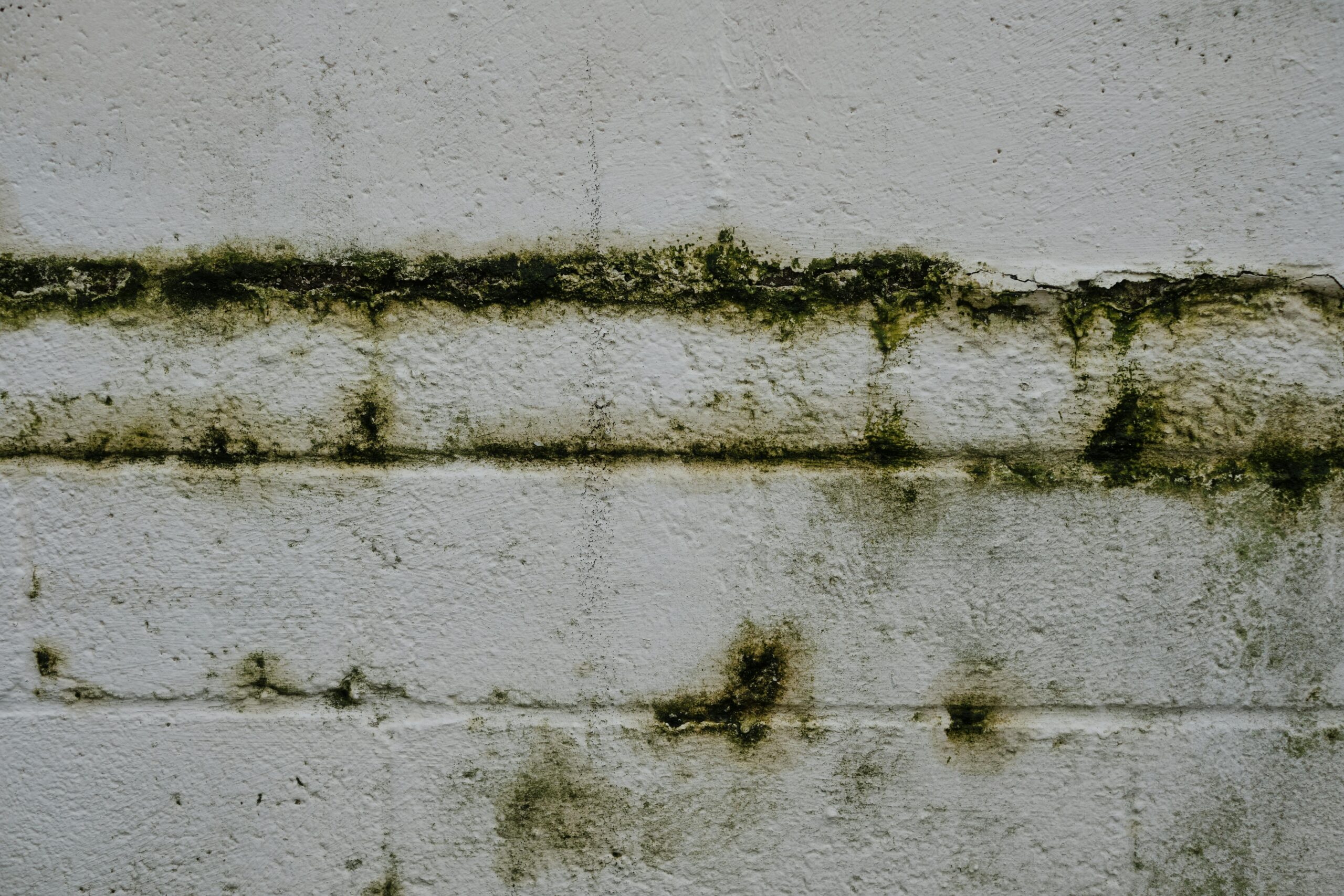
Mold can start growing in as little as 24 to 48 hours after water damage occurs in your home. The key to stopping it is fast action, proper drying, and knowing which areas to target first. This article covers the most effective steps to prevent mold after water damage, with practical advice for homeowners in Smyrna, Murfreesboro, Nashville, Franklin, Brentwood, Mt. Juliet, Lebanon, LaVergne, Antioch, and surrounding communities.
Understand Why Mold Grows So Fast After Water Damage
Mold spores are already present in most indoor environments. They become a problem when moisture gives them the conditions they need to multiply. After a pipe burst, flooding, or roof leak, surfaces stay wet long enough for spores to take hold.
Middle Tennessee’s climate makes this worse. Summers in Nashville and Murfreesboro bring high humidity, often above 70 percent. That ambient moisture combines with water-damaged materials to create ideal mold conditions, even after visible water is removed.
Mold thrives on organic materials like drywall, wood framing, carpet padding, and insulation. These are exactly the materials inside your walls and floors. Once mold colonies establish, removal becomes costly and disruptive.
Understanding this timeline is the first step. You have a narrow window, typically 24 to 48 hours, to act before mold growth becomes likely. Every hour of delay increases the risk.
Take These Immediate Steps Within the First 24 Hours
Speed is everything when preventing mold after water damage. The actions you take in the first day determine whether you face a mold problem weeks later. Here is what to do right away.
- Stop the water source: Shut off the main water supply or identify and fix the leak before anything else. You cannot dry a space that is still getting wet.
- Remove standing water: Use a wet/dry vacuum, mop, or submersible pump to extract standing water as quickly as possible.
- Open windows and doors: Improve airflow immediately. Cross-ventilation helps moisture escape, especially on low-humidity days.
- Remove wet materials: Pull up soaked rugs, carpet padding, and wet furniture. These items trap moisture against floors and walls.
- Run fans and dehumidifiers: Industrial air movers move significantly more air than household fans. Dehumidifiers pull moisture from the air and structure simultaneously.
- Document everything: Take photos and video before you move or discard anything. This protects your insurance claim.
- Call a professional restoration company: A team like CAMCO Construction & Restoration can deploy moisture meters and thermal imaging to find hidden wet areas you cannot see.
Do not wait to see if things dry on their own. Hidden moisture behind walls and under flooring rarely dries without mechanical help, especially in humid months.
Compare DIY Drying vs. Professional Restoration
Many homeowners in Franklin, Brentwood, and LaVergne try to handle water damage themselves. Sometimes that works for very minor events. For anything beyond a small spill, professional equipment and expertise make a significant difference in mold prevention outcomes.
| Factor | DIY Drying | Professional Restoration |
|---|---|---|
| Equipment | Household fans, box fans | Industrial air movers, desiccant dehumidifiers |
| Moisture Detection | Visual inspection only | Moisture meters, thermal imaging cameras |
| Drying Speed | 3 to 7 days or more | 2 to 4 days with proper equipment |
| Hidden Moisture | Often missed | Identified and addressed |
| Mold Risk | Higher, especially in humid months | Lower with proper protocol |
| Cost Range | $50 to $300 in supplies | $1,500 to $5,000+ depending on scope |
| Insurance Documentation | Limited | Full moisture logs and drying reports |
Professional restoration does cost more upfront. However, missing hidden moisture and developing a mold problem can cost $3,000 to $30,000 or more to remediate, depending on how far it spreads.
Dry Structural Materials Thoroughly to Prevent Mold
Surface drying is not enough. Water travels deep into drywall, wood subfloor, wall cavities, and insulation. If these materials stay above 16 percent moisture content, mold is likely to follow.
Professionals measure moisture content with pin-type and pinless moisture meters. They set drying goals based on material type and ambient conditions. In humid Tennessee summers, this process requires more equipment and more time than in drier climates.
In some cases, drywall and insulation must be removed to dry the structure properly. This sounds extreme, but it is often the only way to prevent mold inside wall cavities. Removing a 12-inch band of drywall at the floor line, called a flood cut, is a standard technique in water damage restoration.
Wood framing, once saturated, can take four to seven days to dry even with professional equipment running continuously. Tracking daily moisture readings confirms when materials reach acceptable levels before reconstruction begins.
CAMCO Construction & Restoration monitors drying progress daily on every job to make sure materials hit target moisture levels before any rebuild work starts.
Identify High-Risk Areas in Your Home
Not all areas carry equal mold risk after water damage. Knowing which spots to watch helps you prioritize your efforts and ask the right questions when working with a restoration team.
| Area | Mold Risk Level | Why It Is High Risk |
|---|---|---|
| Crawl spaces | Very High | Low airflow, ground moisture, dark and humid |
| Basements | Very High | Below grade, poor ventilation, concrete retains moisture |
| Wall cavities | High | Moisture trapped inside, invisible without opening walls |
| Under flooring | High | Subfloor and padding hold water even after surface dries |
| Bathrooms | Moderate to High | Persistent humidity, grout and caulk gaps |
| Attics | Moderate | Roof leaks go undetected, heat accelerates growth |
| HVAC systems | Moderate | Mold spreads through ductwork to entire home |
Homes in Mt. Juliet and Lebanon often have crawl space foundations, which are particularly vulnerable. If your home has a crawl space, make sure it is inspected after any water event, even if the visible damage seems minor.
Use the Right Products and Treatments to Inhibit Mold
Once materials are dry, applying antimicrobial treatments helps prevent mold from establishing on surfaces. This step is especially important for wood framing, concrete block, and other porous materials.
Here are products and methods commonly used in professional mold prevention after water damage.
- EPA-registered antimicrobial sprays: Products like Benefect Decon 30 or Foster 40-80 are applied to structural surfaces after drying. They inhibit mold spore germination on treated surfaces.
- Concrobium Mold Control: A widely available product that works by crushing mold spores as it dries. Good for treated wood and concrete surfaces.
- Borax solution: A natural option mixed with water and applied to wood surfaces. Less potent than commercial products but useful for mild situations.
- HEPA air scrubbers: These machines filter airborne mold spores during and after drying. They prevent spores disturbed during demolition from settling elsewhere.
- Encapsulant coatings: Applied to wood framing after cleaning. Products like Foster 40-51 seal treated surfaces and provide long-term mold resistance.
Do not rely on bleach alone for mold prevention on porous materials. Bleach kills surface mold but does not penetrate wood or drywall deeply enough to stop growth at the root level.
Always follow product label instructions and ensure adequate ventilation when applying any antimicrobial treatment indoors.
Maintain Humidity Levels After Water Damage Is Addressed
Even after professional drying and antimicrobial treatment, ongoing humidity control is critical in the weeks that follow. Tennessee’s climate is humid, and that ambient moisture can restart mold growth if you are not careful.
Target indoor relative humidity between 30 and 50 percent. Above 60 percent, mold risk increases significantly. Use a basic hygrometer to monitor levels in affected areas. They cost $10 to $30 at most hardware stores.
Run your HVAC system regularly, even in mild weather. Central air conditioning in Nashville and surrounding areas naturally dehumidifies indoor air as it cools. Turning it off to save energy during spring and fall can allow humidity to climb.
Consider a whole-home dehumidifier if your home had significant water damage or if you have a crawl space. These units connect to your HVAC system and maintain consistent humidity levels without manual operation.
After a water event, check affected areas weekly for the first month. Look for musty odors, discoloration on walls, or visible spotting. Early detection makes remediation much easier and less expensive.
FAQs on How to Prevent Mold After Water Damage
How long does it take for mold to grow after water damage?
Mold can begin growing within 24 to 48 hours of water damage under the right conditions. Warm temperatures, high humidity, and organic materials like drywall and wood accelerate this timeline. Acting within the first day gives you the best chance of preventing mold entirely.
Can I prevent mold myself after a small leak?
For very minor leaks where the affected area is small and fully visible, thorough drying with fans and a dehumidifier can prevent mold. However, any leak that affects walls, flooring, or structural materials should be assessed by a professional. Hidden moisture is the most common cause of mold problems after DIY drying attempts.
What does mold smell like after water damage?
Mold typically produces a musty, earthy odor that many people describe as similar to old books or wet soil. If you notice this smell in a room that had water damage, even if you cannot see visible mold, you should have the area inspected. The source is often inside a wall or under flooring.
Does homeowners insurance cover mold from water damage?
Coverage depends on the cause of the water damage and your specific policy. Sudden and accidental water damage, like a burst pipe, is typically covered. Damage from long-term neglect or flooding may not be. Review your policy and document the damage thoroughly before starting any repairs.
How long does drying take after water damage?
With professional-grade equipment, most water damage drying takes two to four days for standard building materials. Heavily saturated areas or homes in high-humidity conditions like Middle Tennessee summers can take longer. Professionals verify completion using moisture meters rather than guessing based on appearance.
Is it safe to stay in a home with water damage while it dries?
It depends on the extent of damage. Minor water events affecting one small area are usually safe. Major flooding, sewage backup, or damage that affects structural systems may require temporary relocation. A professional assessment helps determine whether the environment is safe during drying.
Wrap Up and Next Steps
Preventing mold after water damage comes down to acting fast, drying thoroughly, and controlling humidity in the weeks that follow. The 24 to 48 hour window after a water event is critical, and missing hidden moisture is the most common mistake homeowners make on their own.
If your home in Smyrna, Murfreesboro, Nashville, Antioch, Franklin, Brentwood, Mt. Juliet, Lebanon, LaVergne, or a surrounding community has experienced water damage, do not wait to see what develops. Contact CAMCO Construction & Restoration at (615) 290-2643 to schedule a moisture assessment and let our team help you protect your home from mold before it starts.